SunCast
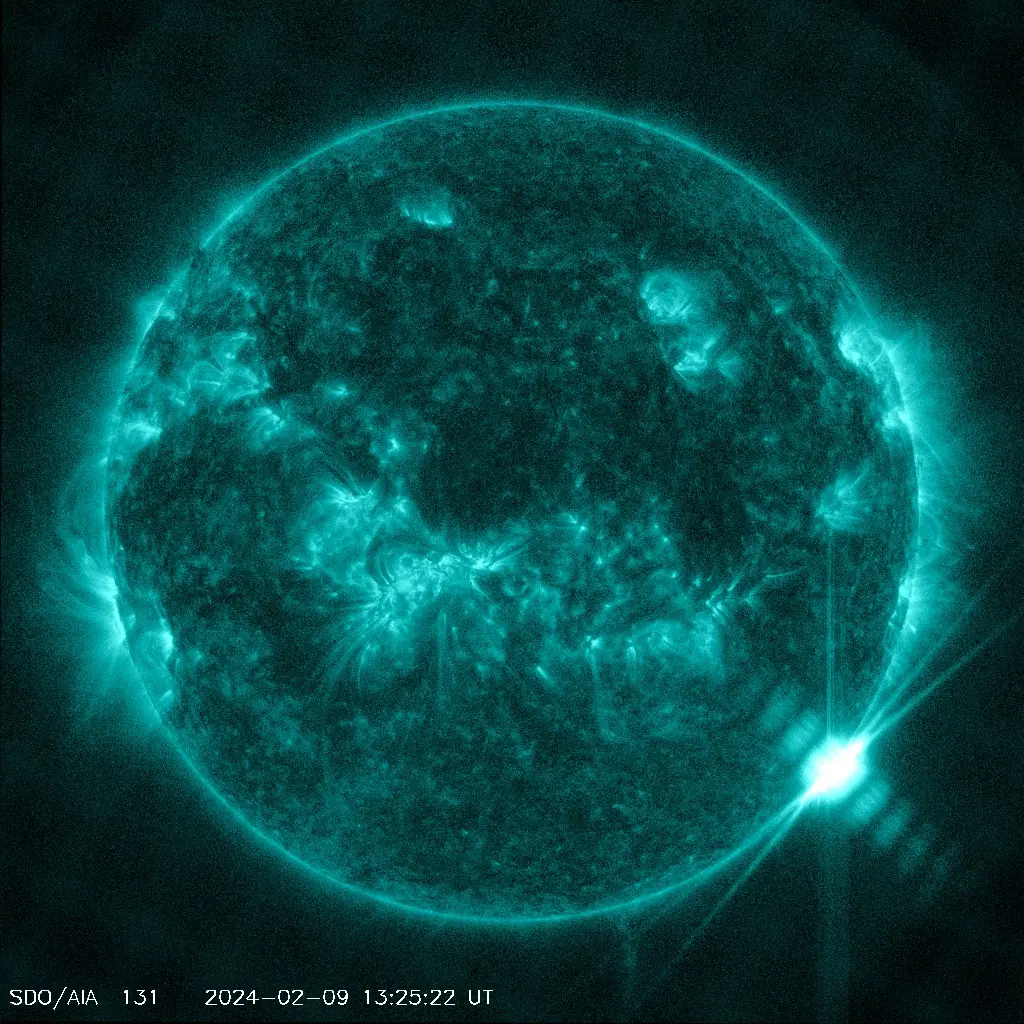
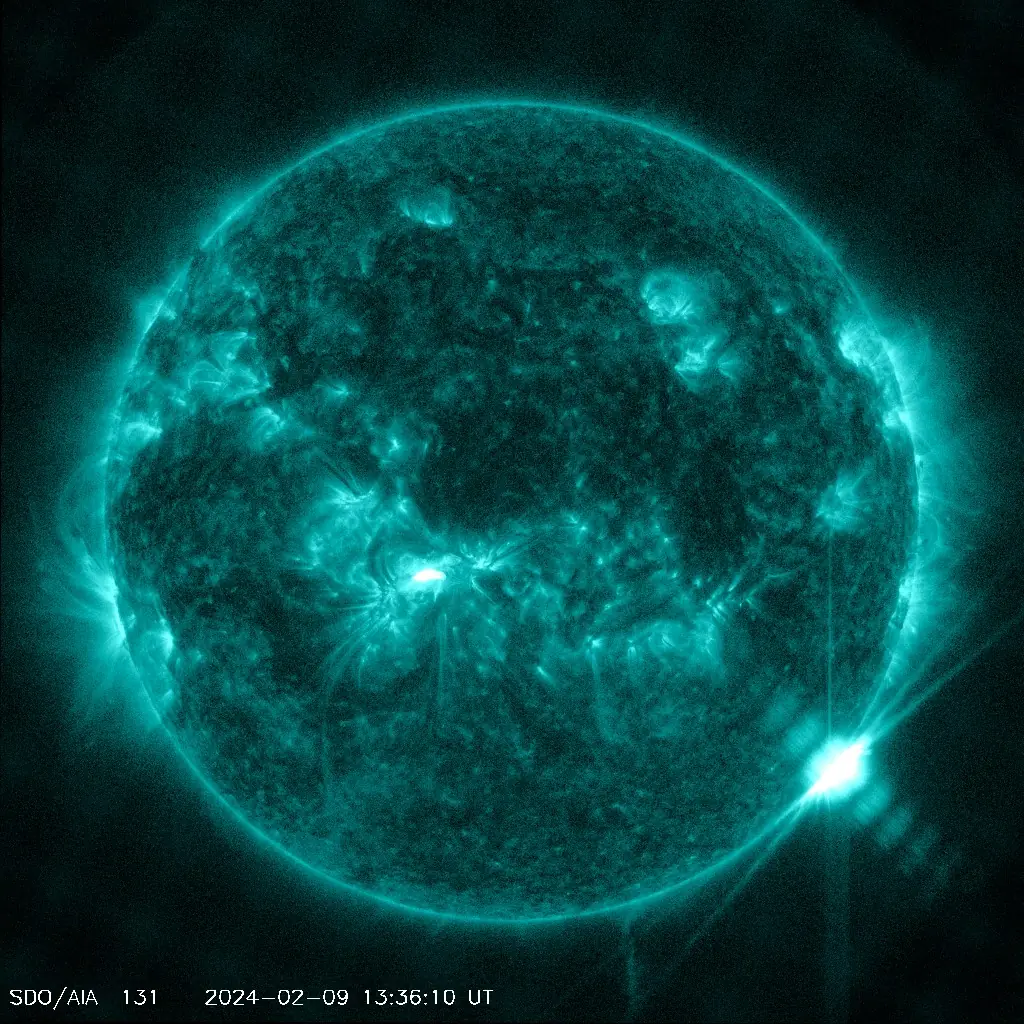
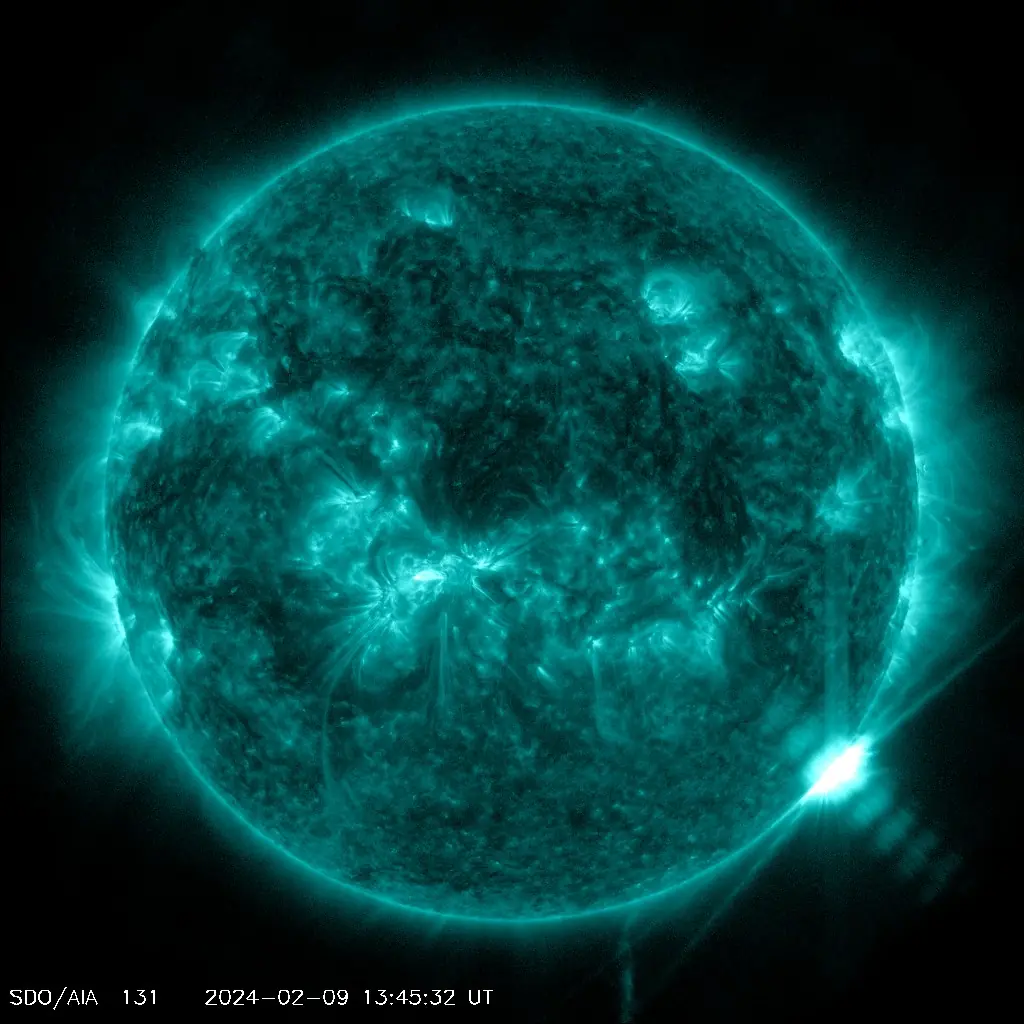
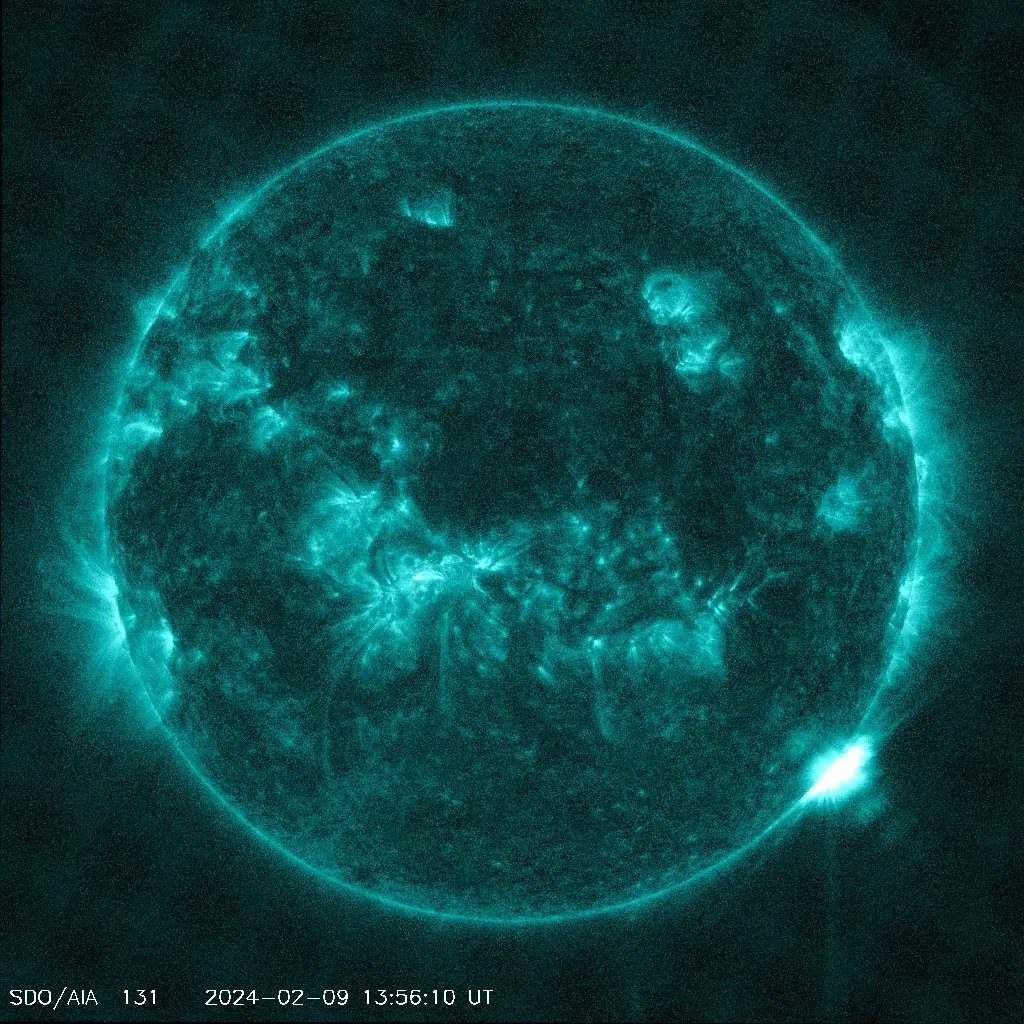
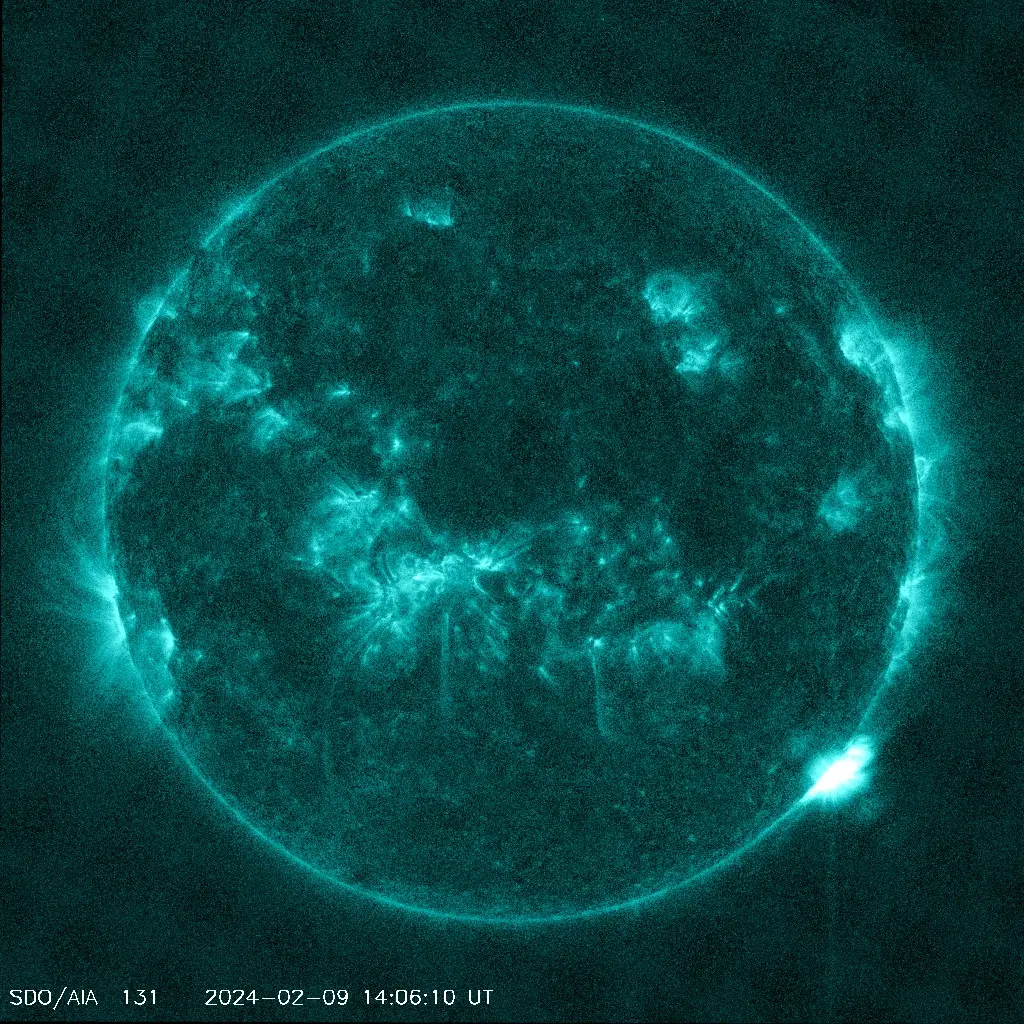
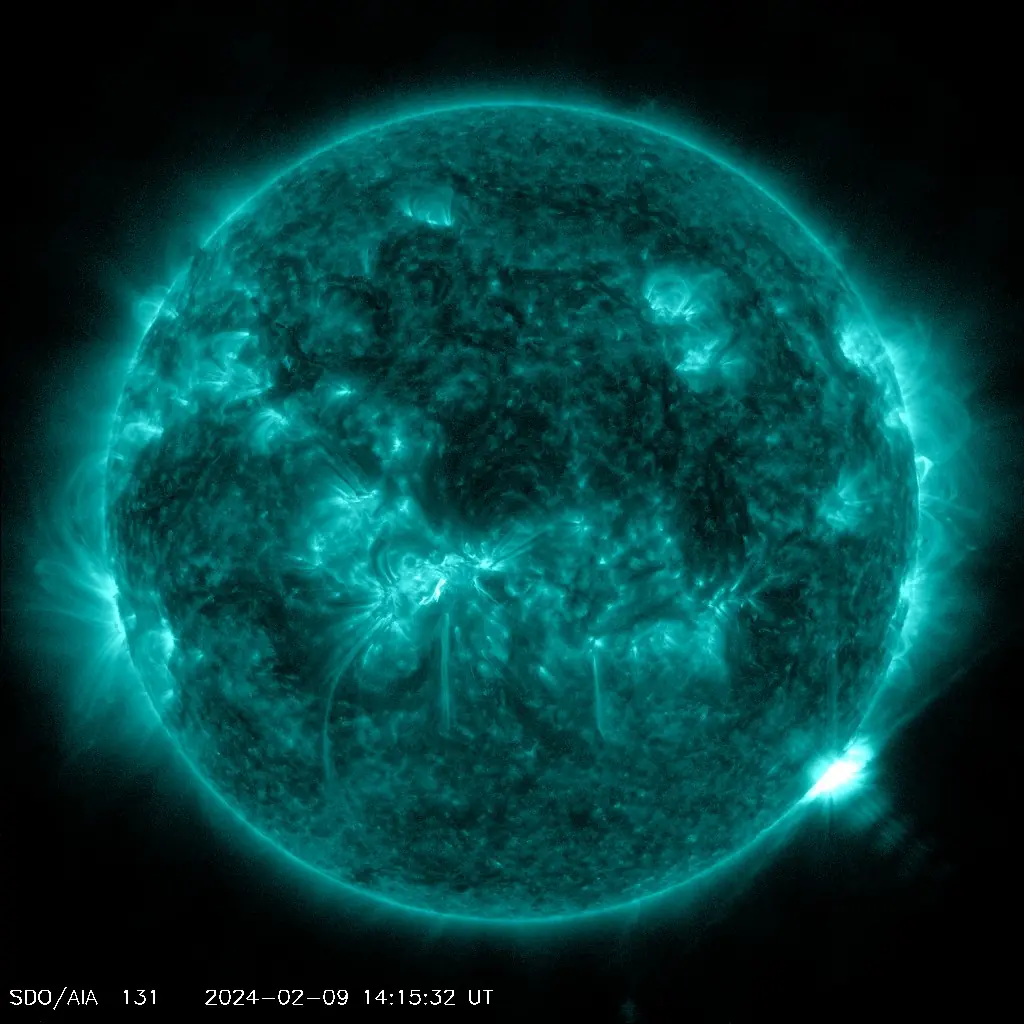
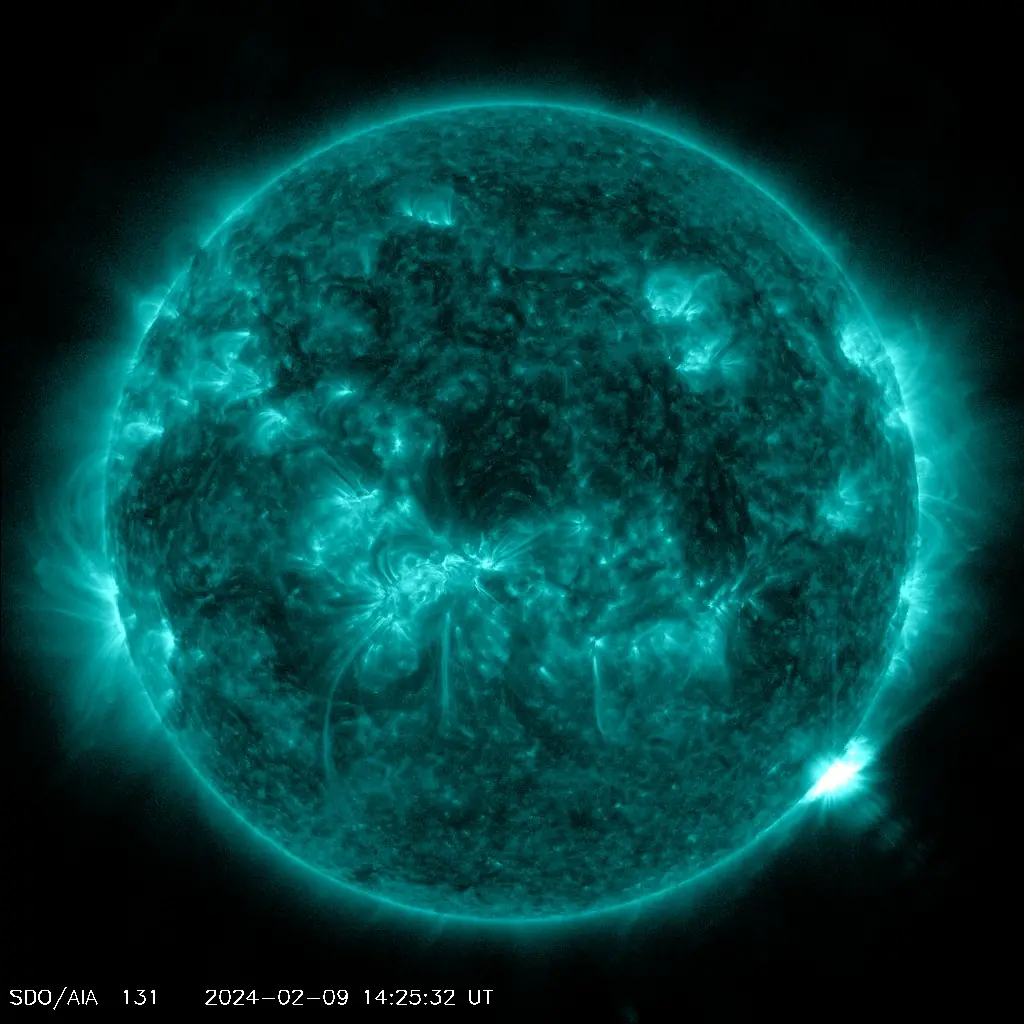
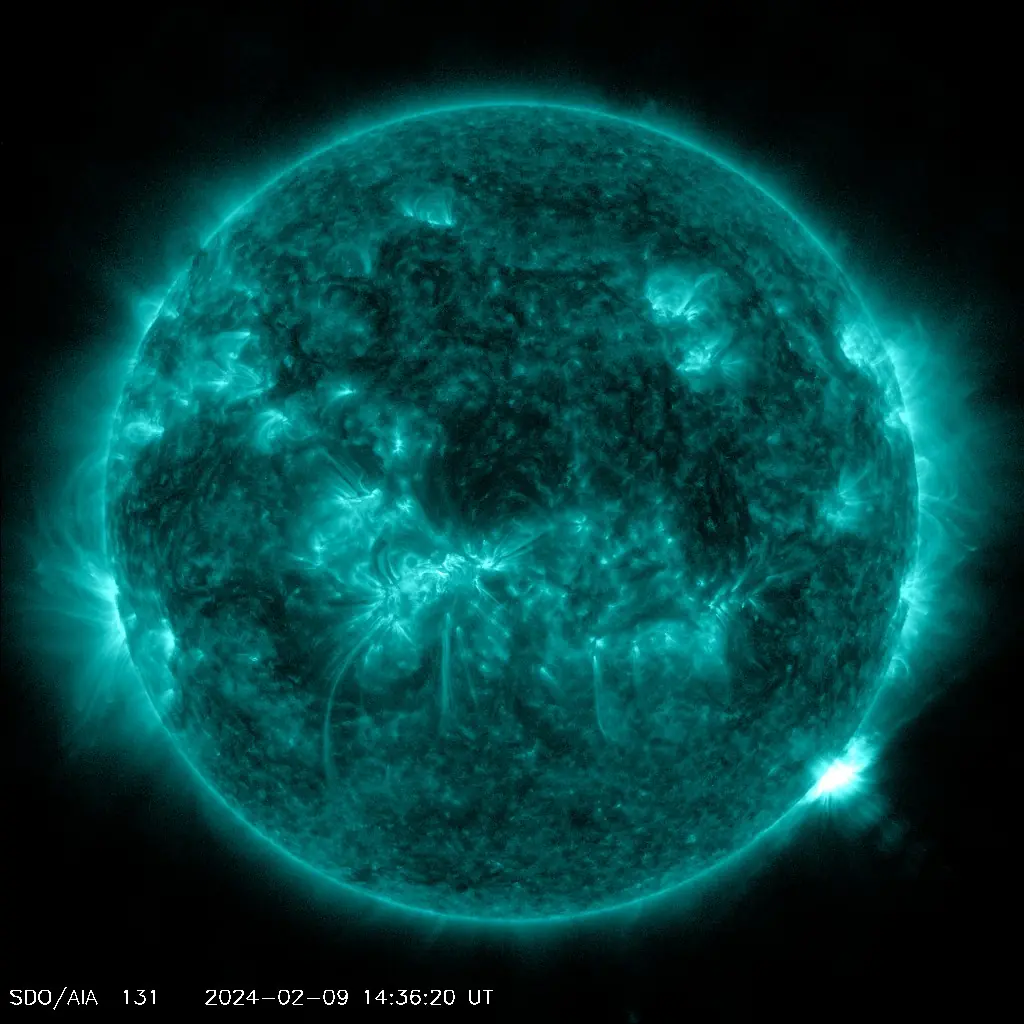
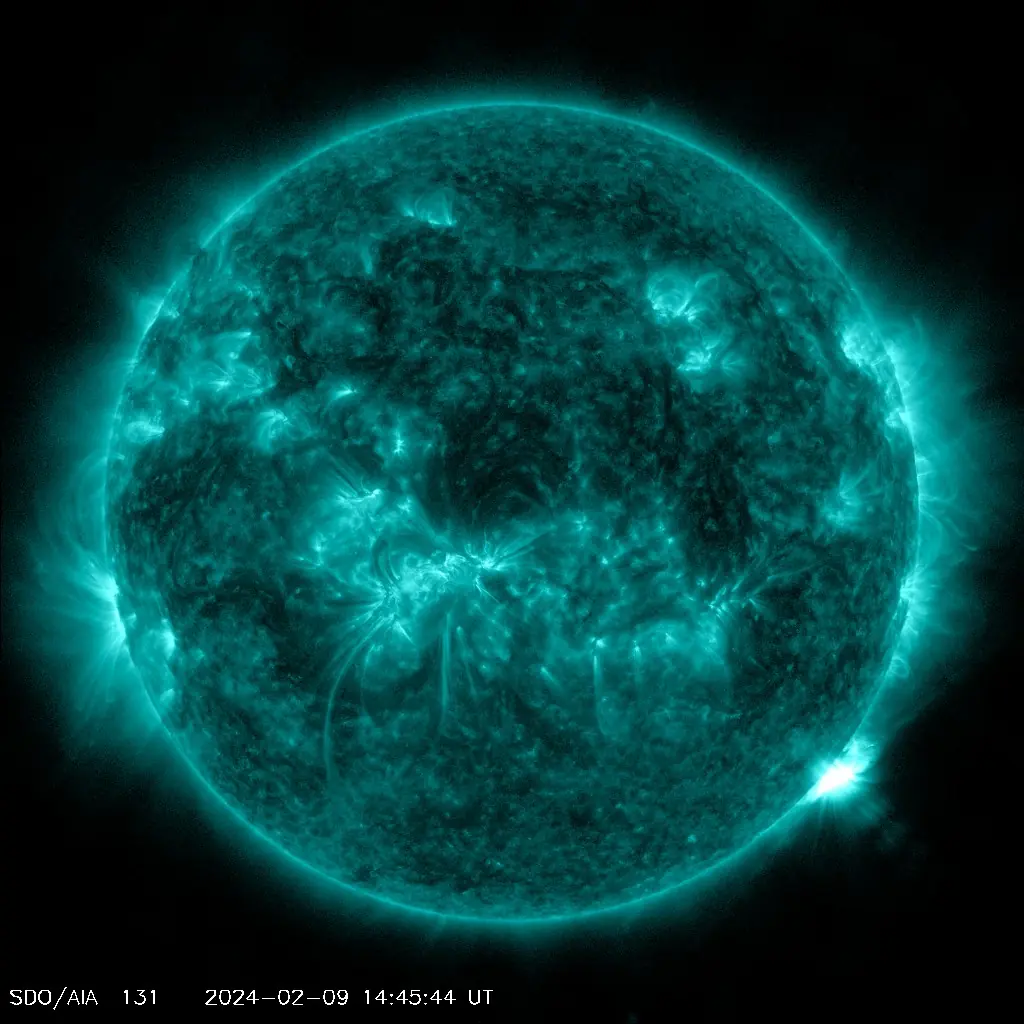
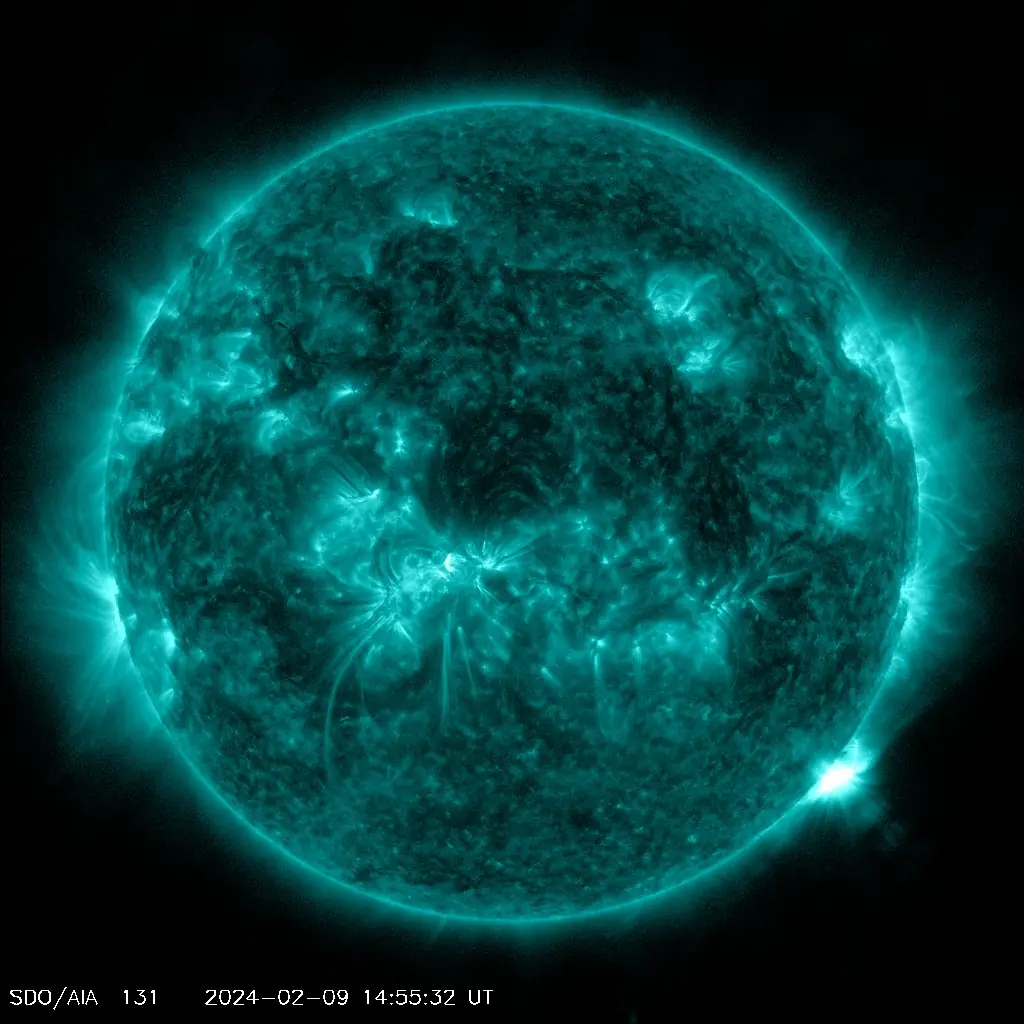
Machine-learning solar-flare forecasting from NASA and NOAA satellite data and multimodal space-weather signals.
- Period
- 2026 – now
- Role
- Researcher, with Dr. Dana Alina (PhD in Astrophysics, Nazarbayev University)
- Status
- Ongoing · later pre-registered audit reported as a negative result
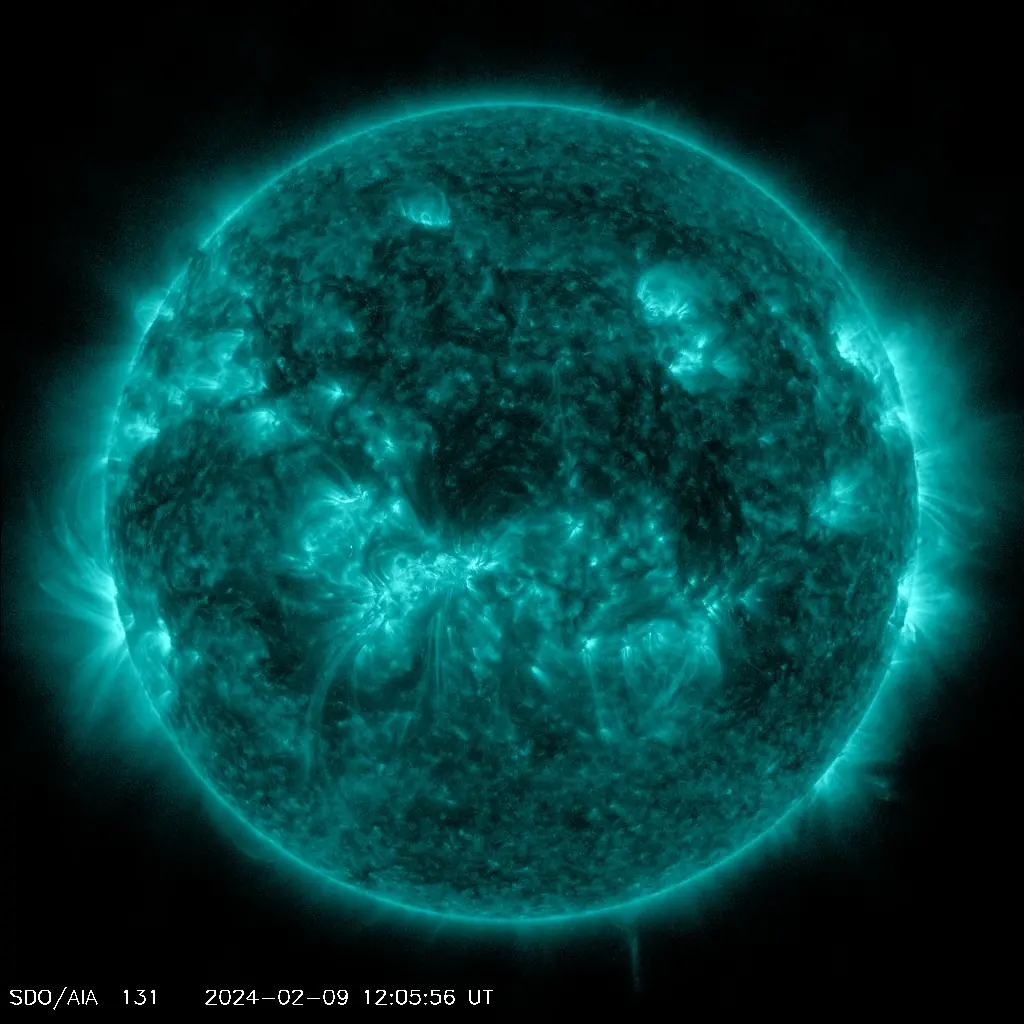
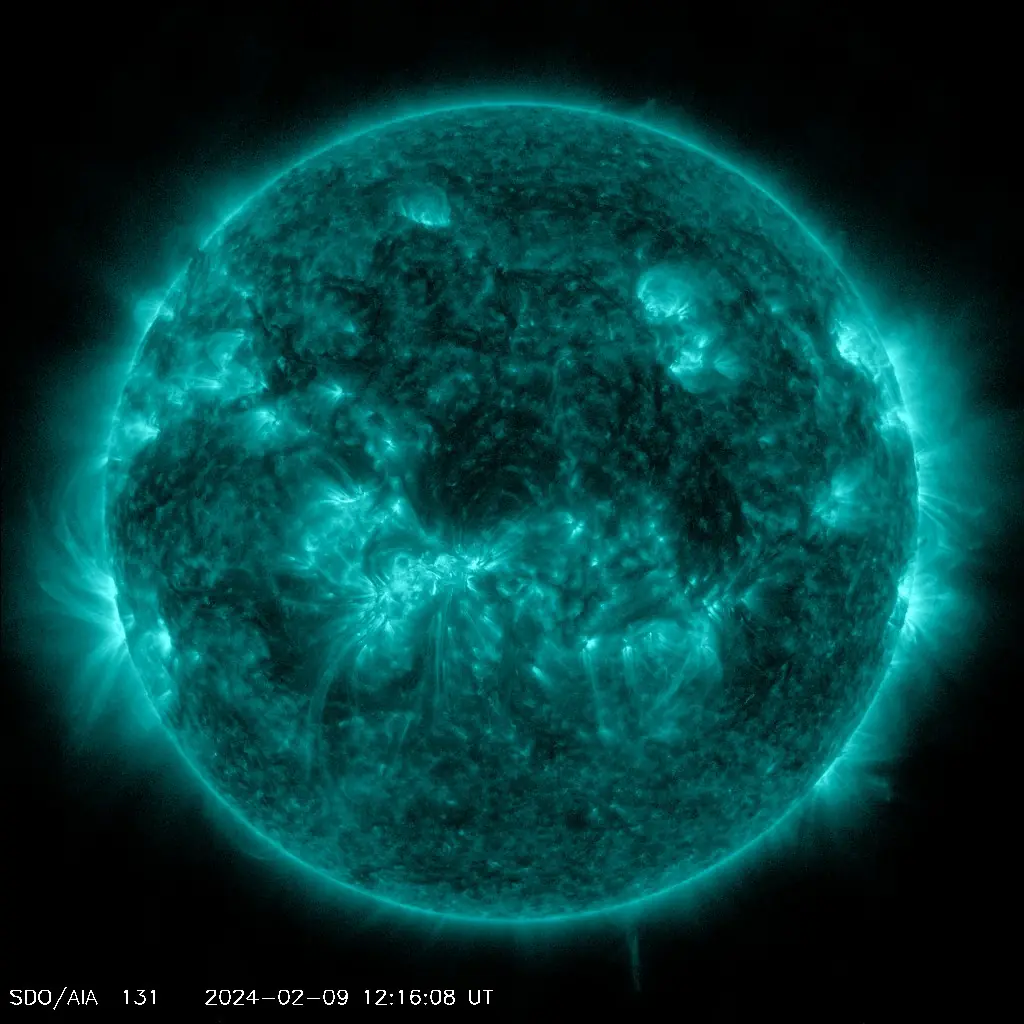
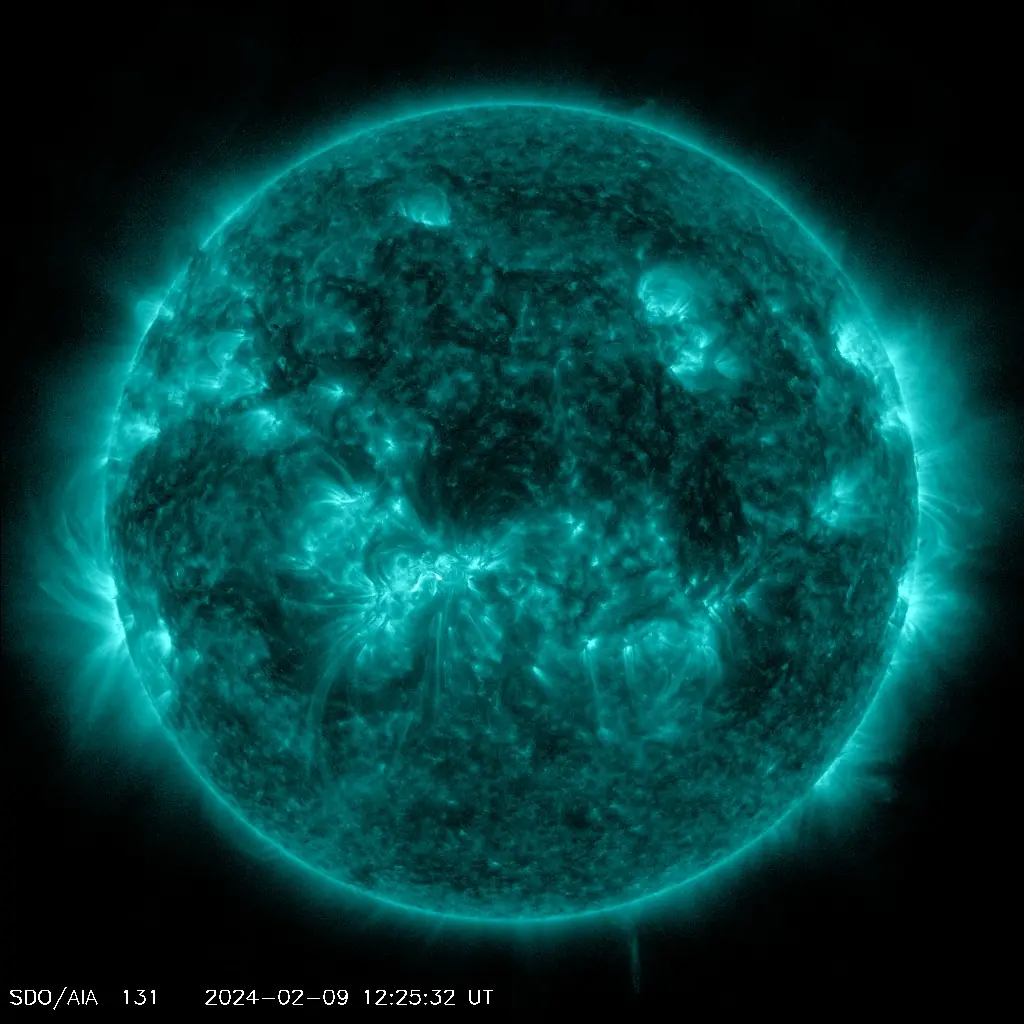
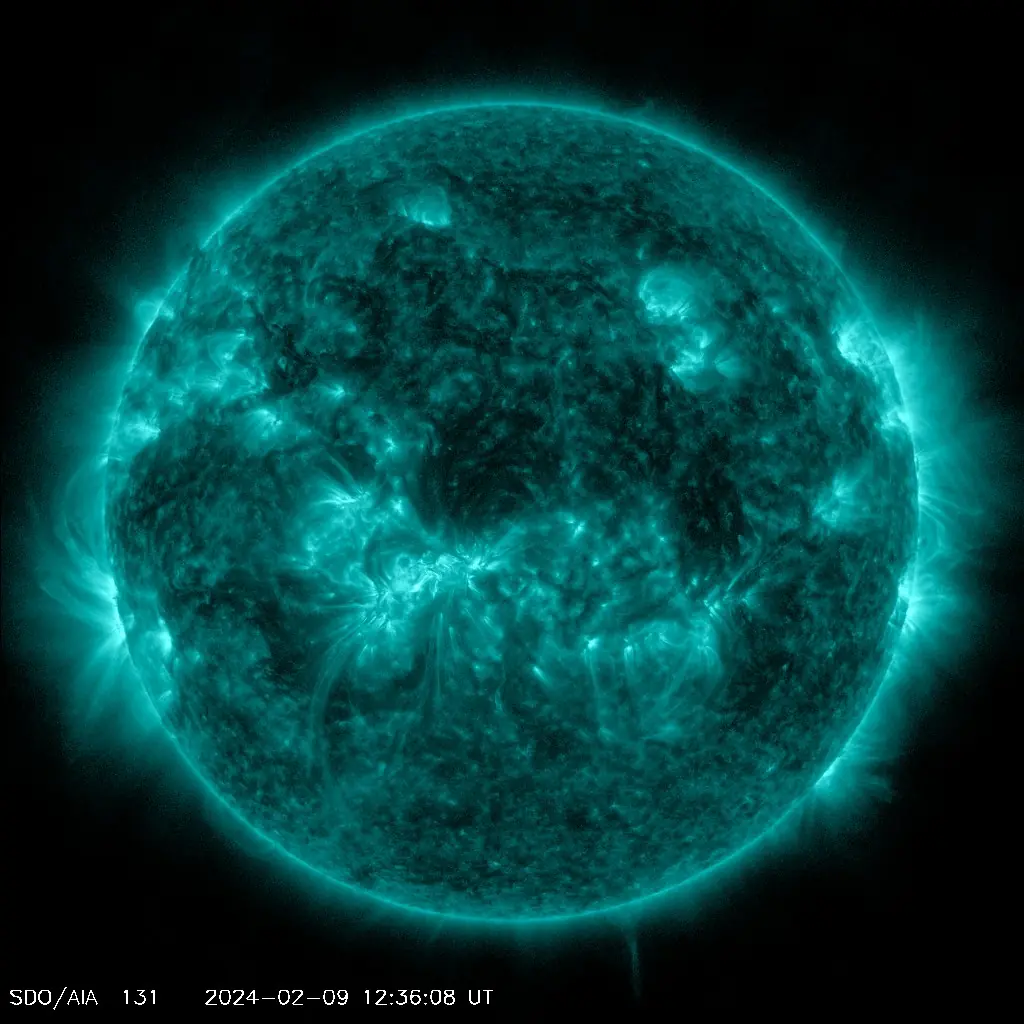
- accuracy
- 97.07%
- accuracy
- recall
- 95.26%
- recall
- pre-registered 5% Brier gain in the later 2026 audit
- No
- pre-registered 5% Brier gain in the later 2026 audit
Can the evolution of an active region’s magnetic field warn of a solar flare earlier than flare history alone?
The system
SunCast integrates NASA and NOAA satellite data with multimodal space-weather signals. RNN, LSTM, Transformer and ensemble forecasting pipelines were built and evaluated in PyTorch, reaching 97.07% accuracy and 95.26% recall. The work was done in collaboration with Dr. Dana Alina, PhD in Astrophysics, Nazarbayev University.
The later audit
Twelve frozen models — logistic regression and gradient boosting on SHARP/HARP magnetic-field patches — were compared with climatology and flare-history baselines, using NOAA X-ray flare catalogues as labels and only quality-checked observations. The question was fixed in advance: do the models beat the baselines by at least 5% in Brier score on data from 2026 they have never seen?
What the audit found
- The rebuilt pipeline reproduced all 12 frozen systems exactly.
- On the 2026 check, the conditional intervals do not support the pre-specified 5% Brier gain.
- A matched “solar twins” comparison could not be run fairly: only 7 matched pairs, against a requirement of at least 30.
- The negative result is narrow: the 2026 cohort falls just short of the audit’s own evidence count (19 positive families against 20), so it does not show that magnetic memory carries no signal.